Home Ablation
TreatmentCatheter Ablation for AFib
Ablation is a procedure that can potentially cure AFib in certain patients. Thin catheters are guided from the groin into the heart to treat the small areas that trigger the irregular rhythm.
How ablation works
FCCI describes it this way: the procedure involves putting catheters from the groin into your heart and treating areas of the heart that might be responsible for creating atrial fibrillation. By treating those spots, the goal is to stop the faulty signals that throw the heartbeat out of rhythm.
FCCI notes the procedure usually requires one night stay in the hospital. Your doctor will walk you through the details of your own procedure, including how to prepare and what recovery looks like.
Ablation is not the first step for everyone. Many people start with medications and lifestyle changes. Ablation may be an option when symptoms continue or when your doctor feels it is the best path for your rhythm.
Before any procedure, you will meet with your electrophysiologist to review your rhythm tests, your goals and your questions.

Ablation methods FCCI doctors use
FCCI's two electrophysiologists bring several ablation techniques:
- Pulsed field ablation: Dr. Deepak Kumar Pasupula is well-trained in pulsed field ablation alongside world-renowned experts in cardiac ablation.
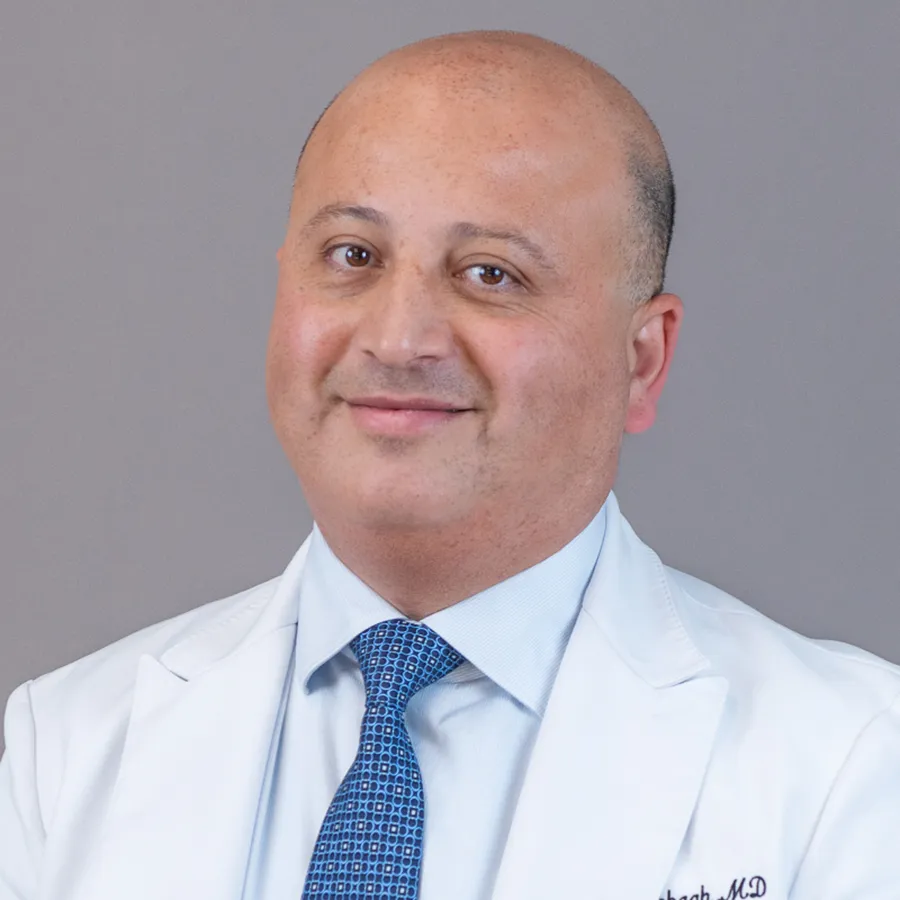
- Radiofrequency ablation: both Dr. Pasupula and Dr. Firas El Sabbagh use radiofrequency techniques.
- Cryoballoon ablation: Dr. El Sabbagh performs catheter ablation using both radiofrequency and cryoballoon techniques.
Ablation is used for more than AFib. FCCI's doctors also treat atrial and ventricular arrhythmias and supraventricular tachycardia (SVT). Which method is right depends on your rhythm and your heart, and your doctor will explain the choice.
Different methods use different types of energy to treat the tissue. The right choice is a medical decision made for your heart.
Ask your doctor which approach they recommend and what experience the team has with it. It is a fair question, and a good doctor will welcome it.

Is ablation right for me?
Only an exam and testing can answer that. Good questions to bring to your visit:
- What type of AFib or rhythm problem do I have?
- Have medications been enough to control it?
- Which ablation method would you use, and why?
- Will I still need a blood thinner afterward?
- How long is the hospital stay and recovery?
No procedure comes with a guarantee, and your doctor will talk honestly about benefits and risks for you. For cost questions, FCCI accepts most major insurance plans and can check your coverage. Call 904.493.3333 to schedule a consult with an FCCI electrophysiologist.
Bring a family member to the consult if you can. A second set of ears helps.
Write your answers down so you can review them at home.
Quick answers
Can ablation cure AFib?
FCCI says ablation can potentially cure AFib in certain patients. Results vary, and your doctor will tell you what to expect in your case.
Do I stay in the hospital?
FCCI notes AFib ablation usually requires one night stay in the hospital.
What is pulsed field ablation?
It is a newer ablation method. Dr. Pasupula at FCCI is well-trained in it and also performs radiofrequency ablation.
How do I find out if I'm a candidate?
Schedule a visit with an FCCI electrophysiologist by calling 904.493.3333.