A pacemaker is a small device placed under the skin that helps when the heart beats too slowly. AFib can make the heartbeat too fast or too slow, so some people with AFib, or with a separate slow rhythm, end up needing one. FCCI's electrophysiologists place and manage pacemakers and other rhythm devices.
What a pacemaker does
Your heart has a natural pacemaker that sets its pace. If that system slows down or signals do not pass through correctly, the heart may beat too slowly. A pacemaker watches your rhythm and sends a small electrical signal when needed to keep the beat up to speed.
Signs of a heartbeat that is too slow
- Feeling tired or weak
- Dizziness or lightheadedness
- Fainting or near fainting
- Shortness of breath with light activity
Fainting, chest pain or severe shortness of breath need a 911 call. Other symptoms should be checked by your doctor.
Other devices you may hear about
- ICD: an implantable cardioverter defibrillator watches for dangerous fast rhythms and can treat them.
- CRT: cardiac resynchronization therapy helps the heart's chambers pump together, used for some people with heart failure.
- Conduction system pacing: a pacing approach Dr. Deepak Kumar Pasupula is proficient in.
FCCI physicians were also among the first to implant the Boston Scientific S-ICD System, for patients at risk for sudden cardiac arrest, in 2015.
Who places devices at FCCI
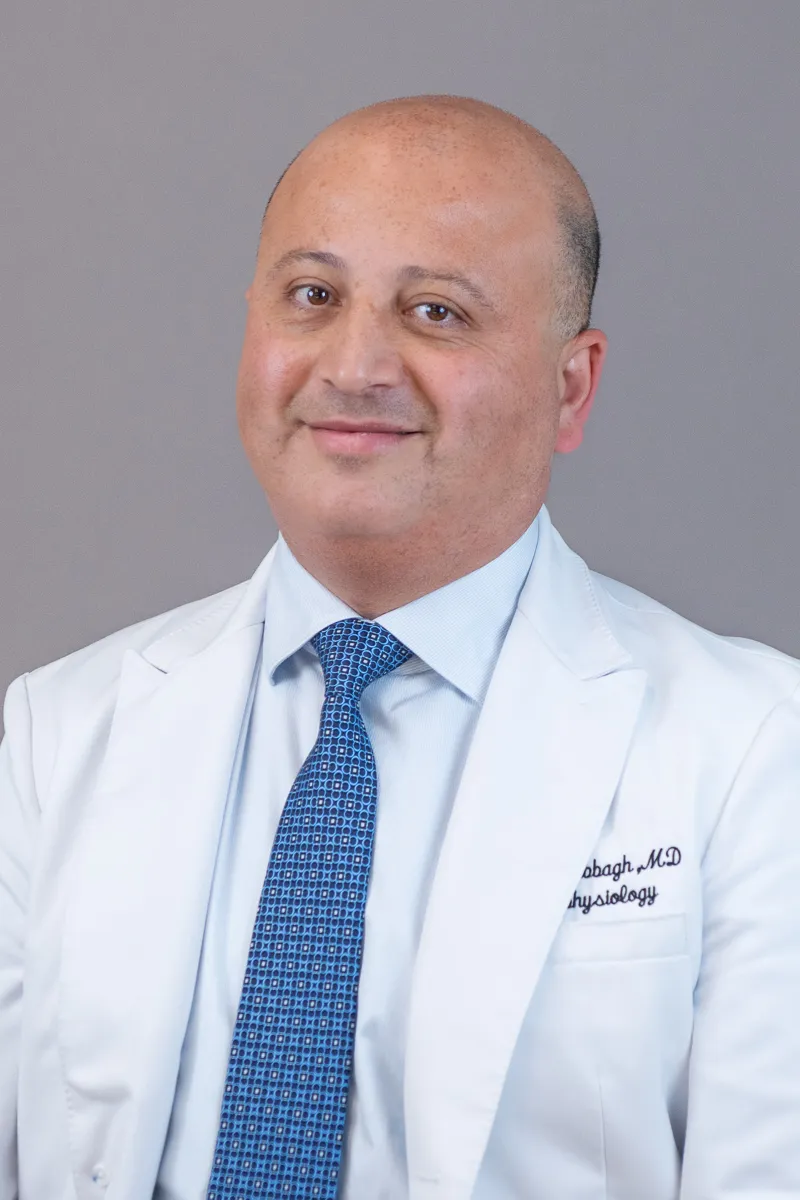
Dr. Firas El Sabbagh has specialized in device-based therapies such as pacemakers, ICDs and CRT since beginning his practice in 2012. Dr. Pasupula is proficient with all cardiac implantable electronic device procedures and has a keen interest in device infections and lead extraction, both mechanical and laser-guided.
Living with a device
Your doctor will explain activity limits after placement, how to care for the site and how often the device will be checked. Call the office if the device site becomes red, swollen, warm or draining, or if you get a fever. Carry your device ID card.
Questions to ask
- Why do I need this device?
- Which type is right for me?
- What should I avoid after it is placed?
- How often will it be checked?
What device checks look like
After a device is placed, it needs regular checks. These visits look at the battery, the leads and how often the device is working. Your care team will tell you how often you need to come in and whether any checks can be done remotely. Keep a list of your device type and settings, and bring your device card to every visit.
Everyday life with a device
Most people return to normal routines after healing. Ask your doctor about any limits on lifting, driving or certain equipment, and tell other doctors and dentists that you have a device.
Write down the brand and model too.
Getting care at FCCI
Pacemaker checks and rhythm visits happen at FCCI offices across Jacksonville plus Orange Park, Palatka and Waycross, GA, and its doctors cover four HCA hospitals 24 hours a day. Medicare, Medicaid of Florida and Tricare are among the plans accepted.
Whether you need a pacemaker depends on your own heart rhythm and tests, which your doctor will review with you.
Questions about a pacemaker? Talk to the FCCI team at 904.493.3333, 8AM to 5PM on weekdays, or leave your name and phone on the request form for a call back.