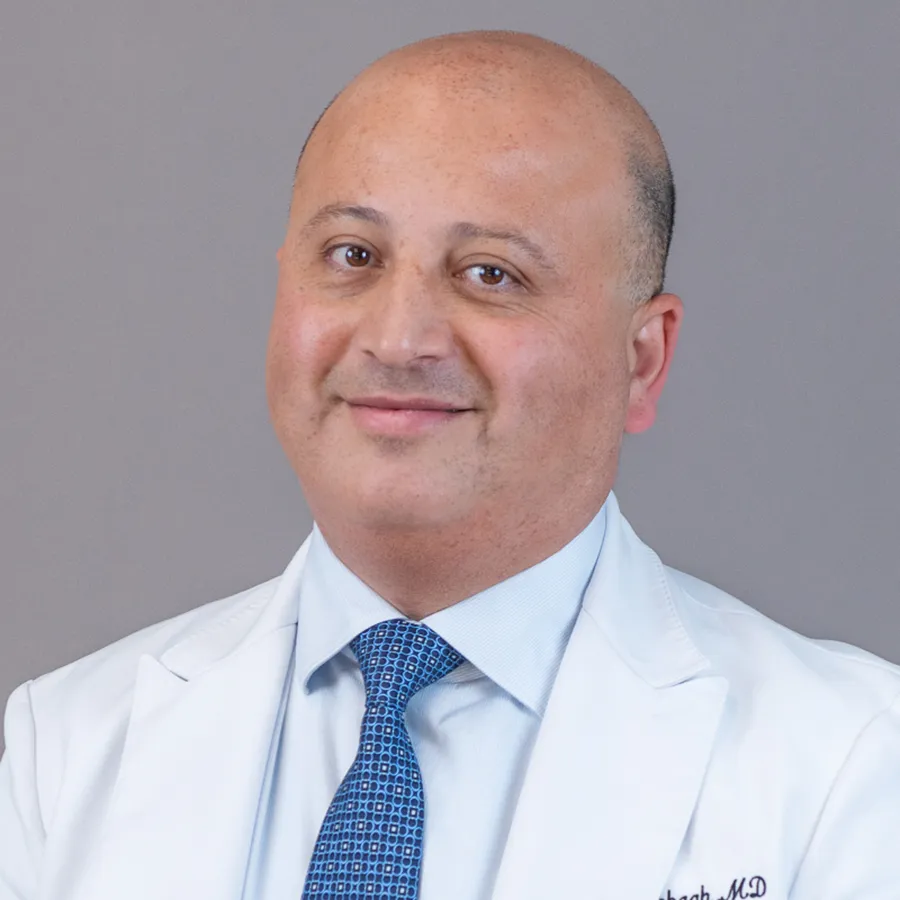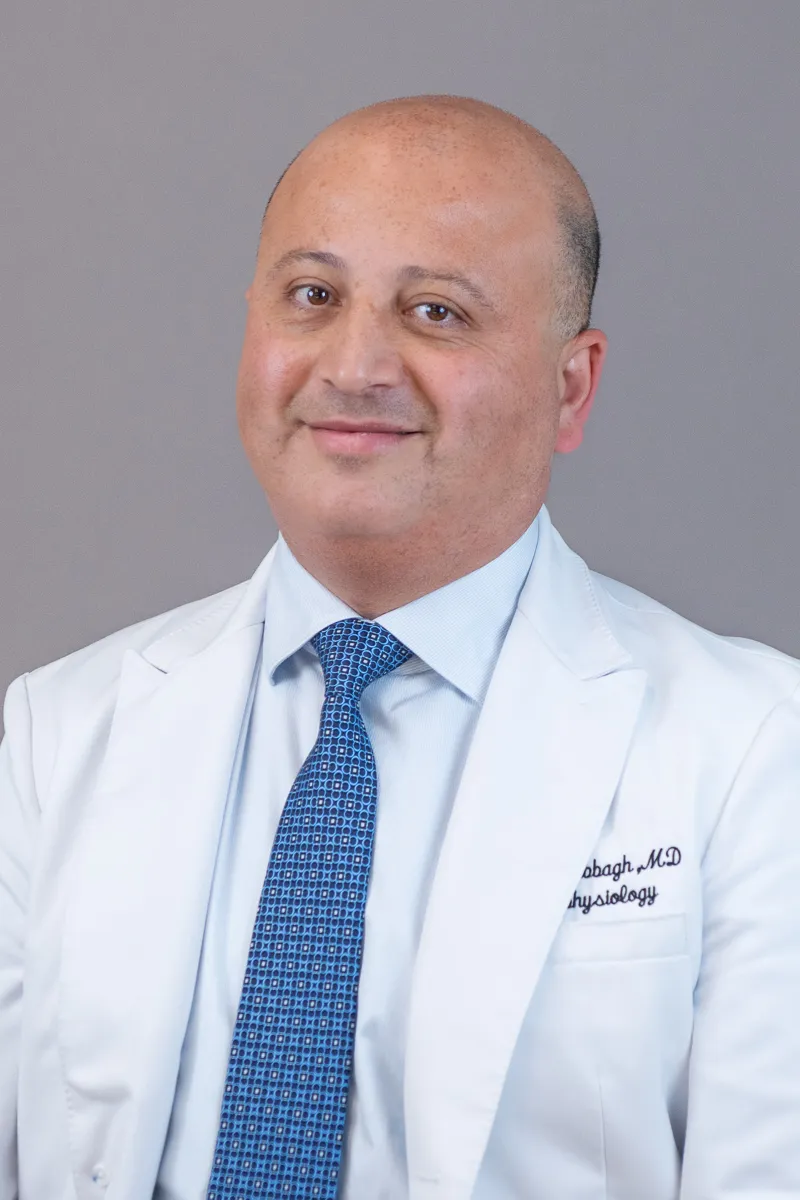
The Watchman is a small device that closes off the left atrial appendage, a pouch in the heart where AFib-related clots often form. Closing that pouch can lower stroke risk for certain AFib patients. At FCCI, Director of Electrophysiology Dr. Firas El Sabbagh is highly skilled in this procedure with both the Watchman and Amulet devices.
The pouch that matters
In AFib, the top chambers twitch instead of squeezing, so blood can pool. FCCI lists stroke due to a blood clot as one of the serious consequences of AFib. Many of those clots start in the left atrial appendage, a small, finger-shaped pouch off the top left chamber. Seal the pouch, and you remove a common hiding spot for clots.
Why it's an option at all
Blood thinners are the standard way to lower stroke risk in AFib. They work well for many people. But for some, long-term blood thinners are hard to manage. For those patients, left atrial appendage occlusion (LAAO) may be worth discussing. Only your doctor can say whether it fits you.
How the procedure works
The procedure is done in a hospital with a catheter, a thin tube guided through a vein to the heart, rather than open surgery. The device is placed at the opening of the pouch to seal it. Over time, your body's own tissue grows over the device. Your doctor will explain the exact steps, the hospital stay and recovery for you.
Watchman and Amulet
There is more than one device. Dr. El Sabbagh is highly skilled in left atrial appendage occlusion with both Watchman and Amulet. Your anatomy and history help decide which is the better fit.
FCCI has a long history with this therapy. In 2016, Dr. Vaqar Ali became among the first few physicians in the region to implant the WATCHMAN device at Memorial Hospital.
About the doctor
Dr. El Sabbagh is board-certified in cardiac electrophysiology, cardiovascular disease and echocardiography, and is a member of the American College of Cardiology and the Heart Rhythm Society. He trained at Cleveland Clinic, the University of Missouri and University Hospitals Case Medical Center. FCCI notes he proctors and mentors junior cardiologists across the country on how to perform new procedures safely.
Questions to bring
- Am I a candidate based on my stroke and bleeding risk?
- How will my blood thinner plan change before and after?
- Watchman or Amulet: which fits me?
- What follow-up imaging or visits will I need?
- Is it covered by my insurance?
Never stop a blood thinner on your own while you are considering this. Talk with your doctor first.
Life after the procedure
After LAA closure you will have follow-up visits and, often, imaging to make sure the device is sealed well. Your doctor will explain how your medicines will change over time. Keep every follow-up appointment, carry your device information, and call the office with any new symptoms. Call 911 for chest pain, fainting, severe shortness of breath or stroke signs.
Getting care at FCCI
To find out whether Watchman fits you, start with a visit at any FCCI location, including Southside, Westside, Northside, University Blvd, Mandarin/Fruit Cove, Orange Park, Palatka and Waycross, GA. The office team can check your insurance ahead of time.
Whether Watchman is a good choice depends on your bleeding risk and health history, so your doctor should guide that decision.
Want to ask if Watchman is an option? FCCI's team takes calls at 904.493.3333 from 8AM to 5PM, Monday through Friday. The online request form only needs your name and phone.